
India's Sugar Consumption Challenge: Navigating Health and Policy
Understanding Sugar Consumption in India
India stands as one of the largest consumers of sugar in the world, with a stark increase in its per capita sugar consumption over the years. Despite being a major producer of sugarcane, the rising sugar intake poses significant health challenges for the population. This blog will delve into the complexities surrounding India’s sugar consumption challenge and explore potential measures to address this critical issue.
The Health Implications of Excess Sugar Intake
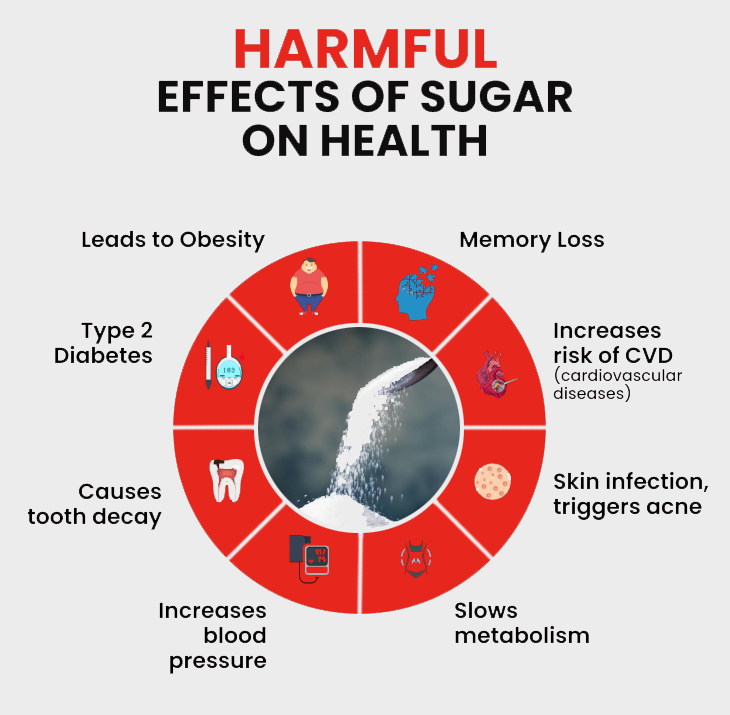
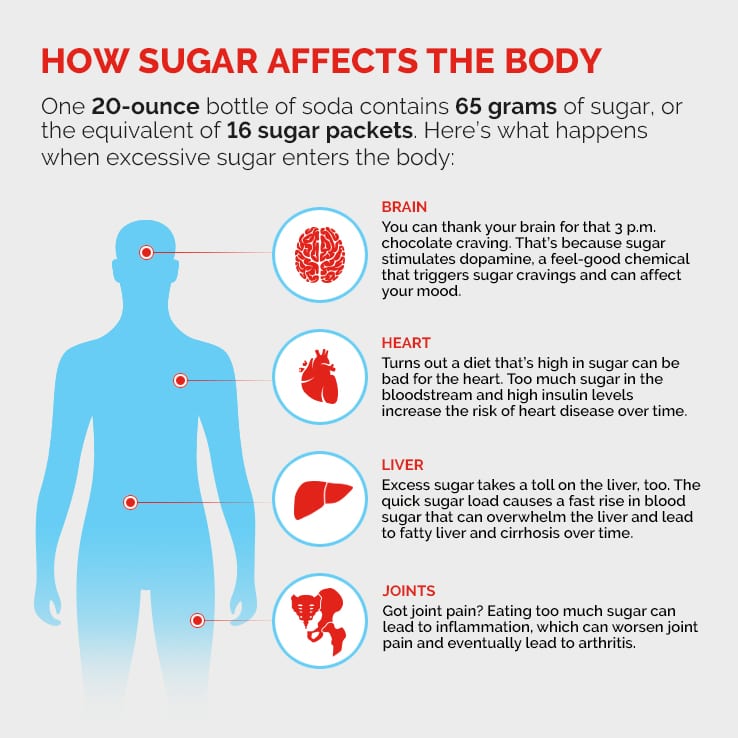
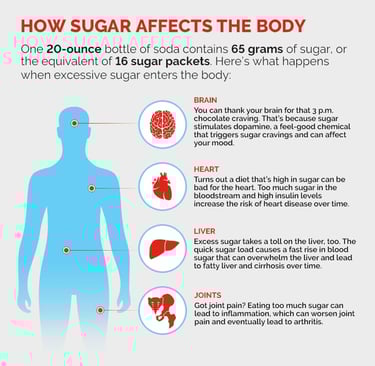
As sugar consumption rises, so do the associated health risks. Excessive sugar intake has been linked to a variety of health issues, including obesity, diabetes, and cardiovascular diseases. A considerable proportion of the Indian population appears to be unaware of the health consequences stemming from high sugar consumption. The challenge lies not only in educating individuals about these risks but also in altering dietary habits that have become entrenched in Indian culture.
Policy Measures and Future Directions
Addressing India’s sugar consumption challenge requires a multifaceted approach involving governmental policies, public health initiatives, and community engagement. The government has begun implementing measures, such as public awareness campaigns aimed at informing citizens about the health hazards of excessive sugar consumption. Moreover, regulations surrounding sugar production and labeling can encourage consumers to make informed choices regarding their dietary intake.
In addition to policy initiatives, collaboration with health organizations and nutrition experts is essential to create comprehensive strategies that can effectively reduce sugar consumption across demographics. Schools, workplaces, and communities should focus on promoting healthier alternatives and diets that contain lower sugar levels. This cultural shift will help minimize dependency on sugary foods and beverages, ultimately leading to a healthier population.
Stevi0cal
Experience natural sweetness with stevi0cal today!
Our Contact Detals
info@stevi0cal.com
Rigil Biotech Private Ltd.
© Stevi0cal 2025. All rights reserved.
Plot No 100, Toy City , Ecotech-III
Greater Noida -201306, UP, India