
The Future of Food Innovation: The Role of AI
Introduction to AI in Food Innovation
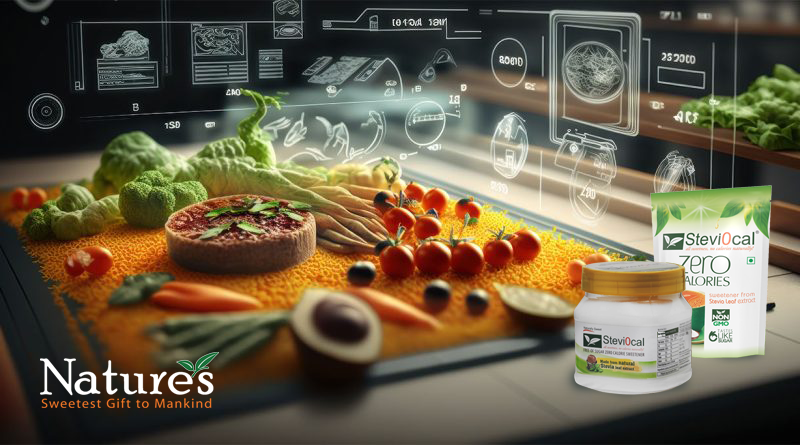
The food industry is undergoing a significant transformation driven by technological advancements, particularly artificial intelligence (AI). This cutting-edge technology is reshaping food innovation by optimizing processes, enhancing flavors, and developing sustainable practices. As the world’s population continues to grow, the need for efficient and innovative food solutions becomes imperative. Understanding how AI is shaping the future of food is crucial to appreciate the potential it holds
Enhancing Food Production Techniques
AI plays an instrumental role in improving food production techniques. Precision agriculture, for example, employs AI algorithms to analyze data collected from various sources such as soil sensors and drones. This information allows farmers to make informed decisions regarding crop management, ultimately enhancing yield and reducing waste. Additionally, predictive analytics aids in forecasting demand, ensuring that production meets consumption patterns without overstocking.
Redefining Culinary Creations
From meal kits to gourmet dishes, AI technology is redefining how food is prepared and consumed. Innovative AI systems suggest recipes based on available ingredients or dietary preferences, catering to an ever-growing market of food enthusiasts. Moreover, AI-powered sensory analysis ensures food is tailored to consumer tastes by analyzing flavor profiles and texture. This level of personalization enhances dining experiences, making the food more appealing to a diverse clientele.
Promoting Sustainable Practices
Challenges such as climate change and resource depletion demand that the food industry adopts sustainable practices. AI is at the forefront of this endeavor, helping companies reduce their environmental footprint. Machine learning can optimize supply chains by identifying inefficiencies and minimizing waste. Furthermore, AI's capabilities in food safety monitoring ensure that products are not only high-quality but also produced ethically, thus aligning with the growing consumer trend towards sustainability.
Conclusion: The Bright Future Ahead
As we look to the future, it’s evident that AI will play a pivotal role in food innovation. Its ability to enhance production techniques, redefine culinary arts, and promote sustainability outlines the new landscape of the food industry. Embracing AI technologies enables stakeholders—from farmers to food manufacturers—to adapt to changing consumer demands while meeting global challenges. The integration of AI in the food sector not only ensures a fortified supply chain but also provides a creative spark that can revolutionize our daily dining experiences.

Stevi0cal
Experience natural sweetness with stevi0cal today!
Our Contact Detals
info@stevi0cal.com
Rigil Biotech Private Ltd.
© Stevi0cal 2025. All rights reserved.
Plot No 100, Toy City , Ecotech-III
Greater Noida -201306, UP, India